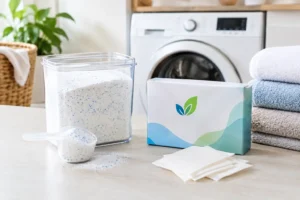
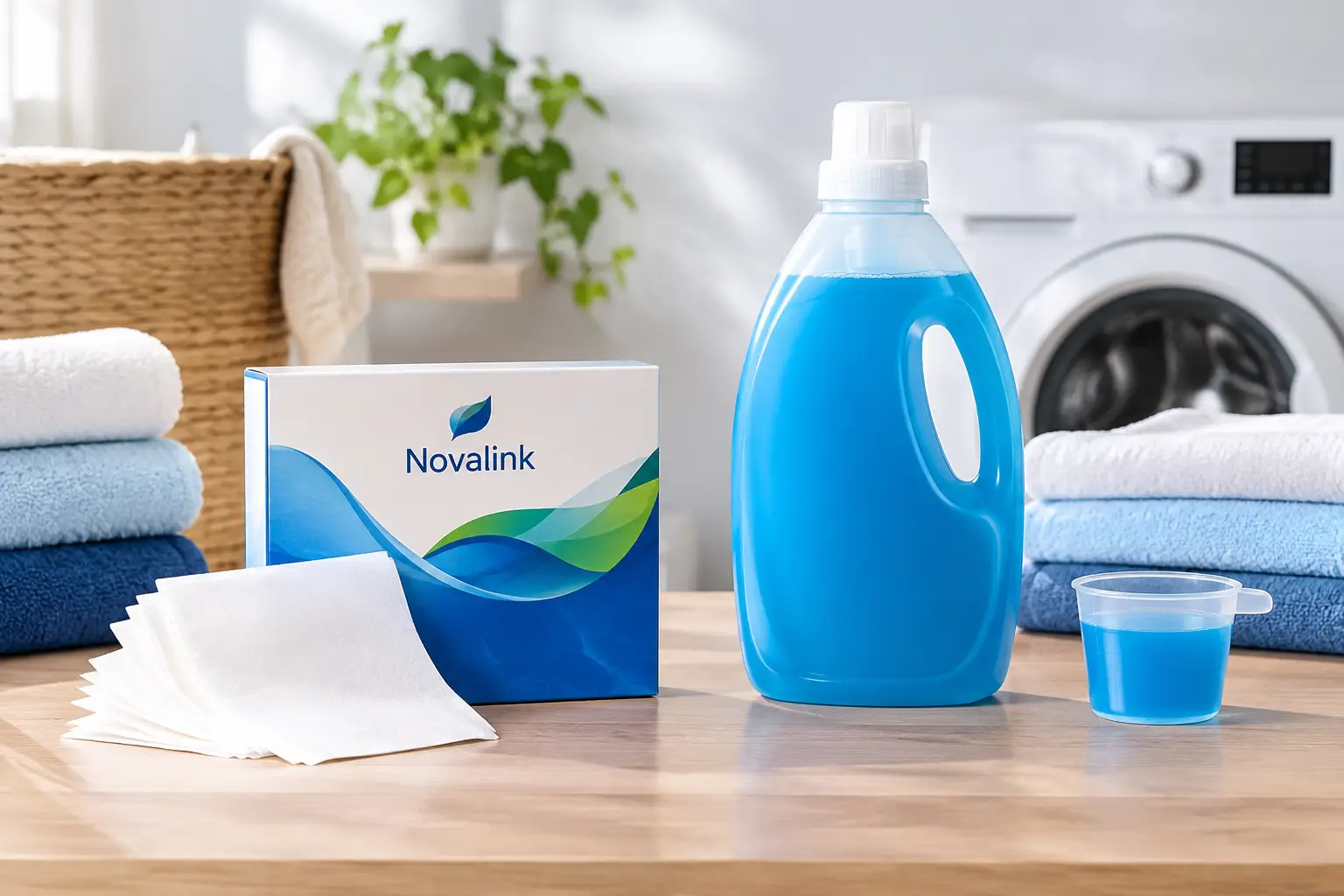
A bottle tipping over in the laundry cupboard, a sticky cap, too much detergent poured into a quick wash – these small frustrations are why many households are reconsidering their routine. When comparing detergent sheets versus liquid detergent, the right choice is not simply about what cleans clothes. It is also about storage, dosing, the type of washing you do and how much effort you want laundry day to take.
Both formats can have a place in Australian homes. Liquid detergent remains familiar and useful for certain jobs, while detergent sheets offer a compact, pre-measured alternative for people who value less mess and less cupboard clutter. Here is a practical look at where each option works best.
Detergent Sheets Versus Liquid Detergent: The Everyday Difference
Liquid detergent is a concentrated cleaning product measured from a bottle or cap. It is widely used, readily understood and can be handy when you want to adjust the amount for a very small or heavily soiled load.
Detergent sheets are thin, lightweight sheets designed to dissolve in the wash. Rather than measuring liquid, you tear or use a sheet according to the load instructions and place it in the machine. They are made for straightforward washing, whether you have a front loader or top loader, and can be used in hot or cold water.
The main practical difference is simple: liquid gives you more flexibility in how much you pour, while sheets remove much of the measuring and handling. For a busy household, that difference can be felt several times a week.
Storage, Spills and Laundry Cupboard Space
A large liquid bottle can be awkward in compact laundries, apartment cupboards and shared homes. It takes up shelf space, adds weight to the shopping trolley and may leak if the lid is not secured properly. Anyone who has cleaned detergent from a cupboard shelf knows it is not a quick job.
Detergent sheets come in slim, plastic-free packaging that can sit neatly on a shelf or slide into a drawer. Their low weight also makes them easier to carry upstairs, take to a laundromat or pack for a trip. This can be particularly useful for renters, students and families trying to make more of a smaller laundry area.
That does not mean liquid has no storage advantages. A closed bottle can feel more protected in a damp laundry, and a large pack may suit households that prefer fewer purchases. With sheets, it is worth keeping the pack closed and dry between washes, especially in humid conditions.
Dosing: Convenience Versus Fine Control
Measuring liquid detergent is familiar, but it is easy to pour more than a load needs. Extra detergent does not necessarily mean cleaner clothes. Depending on your machine, water level and wash cycle, too much can leave excess suds or make rinsing less efficient.
Sheets simplify this step because the dose is prepared for you. For regular loads, that means less guesswork and no dripping cap to rinse. Many people find this especially helpful when different household members share the washing, including teenagers learning to do their own laundry.
Liquid can still be the better fit when you regularly wash unusually small loads or need to tailor the amount for particularly dirty workwear, muddy sports gear or heavily soiled items. The key is to follow the product directions and avoid treating the cap as a reason to fill it to the top every time.
How Do They Perform in the Wash?
Laundry results depend on more than detergent format. Water temperature, machine settings, load size, how long a stain has been sitting and whether clothes are sorted properly all affect the outcome.
Quality detergent sheets are designed to dissolve through the wash and clean everyday loads without the bulk of a bottle. They are a practical choice for clothing, bedding and regular family washing, particularly when you use the recommended amount and avoid overloading the machine. Novalink detergent sheets are available in Lavender, Ocean Breeze, Fresh Linen and Unscented options, so households can choose a scent preference or keep things simple with an unscented wash.
For a fresh stain, prompt attention matters whichever detergent you use. You may need to pre-treat or soak difficult marks, such as oil, grass or food, before washing. No detergent format can honestly promise to remove every stain from every fabric, so it helps to check garment care labels and adjust your approach when needed.
What About Sensitive Skin and Family Laundry?
Households with babies, children or sensitive skin often prefer to reduce unnecessary fragrance or choose products intended for gentler everyday use. An unscented detergent sheet can be a sensible option when fragrance is not wanted.
However, sensitivity is personal. If someone in your home has known allergies, eczema or ongoing skin concerns, check the product label carefully and consider seeking professional advice where appropriate. Washing new clothes before wear and rinsing items thoroughly can also be useful habits for the whole household.
The advantage of sheets here is not that they suit every person automatically. It is that a consistent, pre-measured format can make a simple laundry routine easier to repeat.
Packaging and Practical Waste Choices
Liquid detergent commonly comes in plastic bottles. While some bottles may be recyclable depending on local council rules and whether they are clean and accepted in your kerbside bin, they still take up space before disposal.
Detergent sheets offer an alternative with lightweight, plastic-free packaging. For households looking to reduce reliance on bulky plastic laundry bottles, this can be a meaningful practical change. Lighter packs also require less room in the pantry, car boot or laundry shelf.
It is worth keeping the comparison balanced. Packaging is only one part of a household’s laundry choices. Using the right amount of detergent, washing full loads where suitable, following care labels and avoiding unnecessary rewashing can all help make a routine more considered.
When Liquid Detergent May Still Make Sense
Liquid detergent is not outdated just because sheets are convenient. It may suit you if you often want to change the dose precisely, prefer applying liquid directly when pre-treating a mark, or are already comfortable with a particular routine.
Some people also simply like the familiarity of a bottle. If it works for your household and you use it carefully, there is no need to change for the sake of changing. The best laundry product is one you can store safely, use correctly and rely on for the loads you wash most often.
When Detergent Sheets Are the Better Fit
Detergent sheets tend to suit people who want a cleaner, simpler laundry setup. They are particularly handy for smaller homes, busy family schedules, shared laundries, caravan trips and holidays where carrying a heavy bottle is inconvenient.
They can also remove a common point of friction: measuring detergent while holding a child, rushing out the door or managing a pile of washing after work. One less spill, one less bulky bottle and one less decision can make a routine feel easier.
If you are moving from liquid to sheets, give yourself a few washes to settle into the instructions for your machine and load size. Store the sheets somewhere dry, avoid overfilling the drum and deal with noticeable stains before the wash. Those simple habits matter more than chasing a perfect product.
The choice between detergent sheets and liquid detergent comes down to the kind of laundry life you have. If convenience, compact storage and mess-free dosing matter most, sheets are well worth considering. If you need flexible measuring for specialised loads, liquid may remain useful. A laundry routine should fit your home, not add another chore to it.