
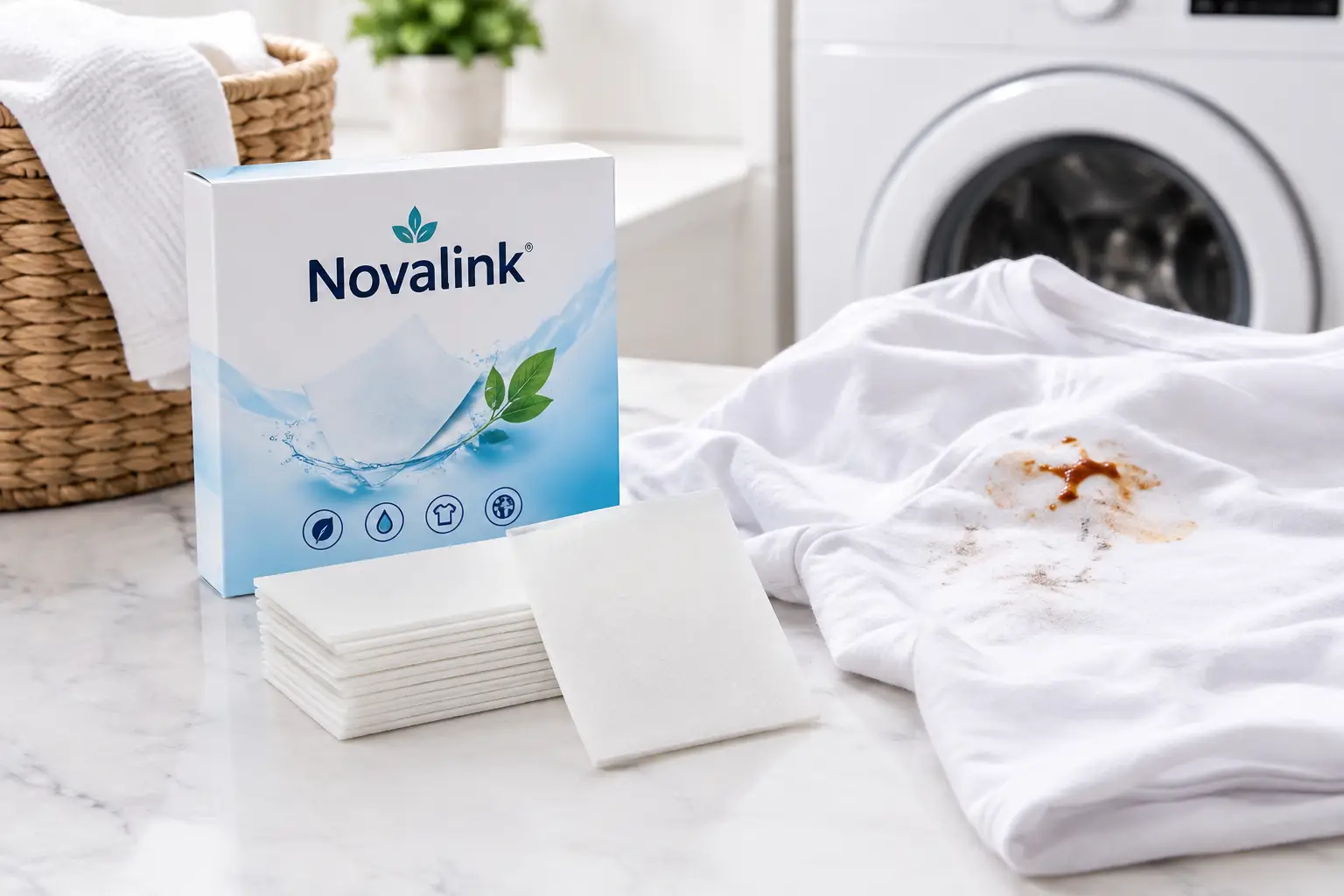
A tomato-sauce splash on a school uniform or a coffee drip down a work shirt can make anyone question a new laundry product. So, can detergent sheets remove stains? Yes, detergent sheets can clean many everyday stains effectively when they are used correctly, but the result depends on the stain, the fabric, how quickly it is treated and the wash settings you choose.
For busy Australian households, the appeal is simple: no measuring, no heavy bottles and no detergent spills in the cupboard. The key is knowing when a detergent sheet can handle a mark in the normal wash and when a little pre-treatment will give it a better chance.
How detergent sheets work on stains
Laundry detergent sheets are concentrated detergent that dissolves in water and releases cleaning ingredients throughout the wash. Those ingredients help loosen soil, lift oils and food residue from fibres, and keep the grime suspended in the wash water so it can rinse away rather than settle back onto clothes.
A sheet does not need to be a liquid to clean well. Once it has dissolved, it works through the same basic washing process: water wets the fabric, detergent helps separate dirt from fibres, movement from the machine does the washing work, and rinsing removes the loosened residue.
The practical difference is that sheets arrive pre-portioned. That makes them a tidy option for a laundry shelf, apartment cupboard, caravan or suitcase. Novalink detergent sheets are designed to dissolve in hot and cold water and can be used in front- and top-loading machines, which makes them easy to fit into everyday laundry routines.
Can detergent sheets remove stains from everyday laundry?
For fresh, common stains, often yes. Mud, light food marks, everyday sweat, grass, make-up residue and general grime can usually respond well to a standard wash with detergent sheets. Treating the item sooner rather than later matters more than many people realise.
Fresh stains have not had as much time to bind to the fabric. A quick rinse with cool water, followed by a normal wash, may be enough. If the mark is still visible after washing, avoid putting the garment in the dryer or leaving it in direct heat. Heat can make some stains harder to shift. Check the care label, treat the remaining mark and wash again.
Some stains need more patience. Grease, oil, dried-on food, ink, blood, red wine and coloured sauces can be more stubborn because of what they contain or how deeply they have settled into the fibres. Detergent sheets can still be part of the cleaning process, but pre-treatment and the right wash conditions become more important.
The stain type changes the approach
Different marks respond to different treatment methods. Before washing, identify what you are dealing with and check the garment’s care instructions.
- Food and drink: Blot off excess food, then rinse the reverse side of the stain with cool water where suitable. Wash promptly.
- Grease and oil: Lift away excess oil without rubbing it further into the fabric. A pre-treatment product suited to the garment may be needed before washing.
- Mud and grass: Let thick mud dry first, brush off what you can, then wash. Rubbing wet mud can spread it.
- Blood and protein-based stains: Use cold water first. Hot water can set these stains into some fabrics.
- Ink and dye transfer: Act quickly, but test any stain treatment on an inconspicuous area first. These marks may need specialist care.
There is no detergent format that can honestly promise to remove every stain, every time. Fabric type, stain age and previous heat exposure all affect the outcome.
How to get better stain results with detergent sheets
The most effective laundry habits are usually straightforward. Start by reading the garment label and sorting heavily soiled items away from delicate pieces. This gives you more flexibility with water temperature and cycle length without risking the rest of the load.
For a visible stain, deal with it before it goes into the basket. Gently blot liquids with a clean cloth or paper towel instead of scrubbing hard. Scrubbing can push the stain further into the fibres and may roughen delicate fabrics. Rinse according to the stain type, then use a suitable pre-treatment if the mark is oily, dried or deeply coloured.
Use the appropriate amount of detergent sheet for the load size and soil level, following the pack directions. An overcrowded machine can reduce cleaning performance because water and detergent cannot circulate freely around each item. Leave enough room for clothes to move through the wash.
Choose the warmest water temperature permitted by the care label when dealing with general grime and oily stains. Cold water is often the safer starting point for blood, milk, egg and other protein-based stains. Modern detergent sheets that dissolve in cold water are useful for day-to-day washing, especially when fabric care calls for a cooler cycle.
Finally, inspect the item once the cycle has finished. If the stain remains, repeat the treatment before drying. This simple check is one of the most useful habits for keeping favourite clothes in rotation.
Common reasons stains remain after washing
When a stain survives the wash, it does not automatically mean the detergent sheet has failed. Sometimes the stain was set before the laundry even started. A sauce mark that has sat for several days, been rubbed into fabric or gone through a hot dryer can need several treatment attempts.
Overloading is another common issue. A full drum may look efficient, but tightly packed clothes do not have enough space for water and detergent to move through them properly. Under-dosing detergent for a large or very dirty load can also leave soil behind, while using more than needed may make rinsing harder.
Water temperature, cycle length and fabric choice matter too. A quick cold cycle may be ideal for lightly worn activewear, but it may not be enough for a tea stain on a white cotton shirt. Delicates, wool and silk need gentler treatment, so accept that some stains may require professional cleaning rather than increasingly aggressive washing at home.
A practical routine for family laundry
Laundry gets easier when stain treatment is built into the routine rather than saved for a big weekend catch-up. Keep a small stain-treatment product near the laundry basket, deal with noticeable marks as clothes come off, and wash stained items before they sit for too long.
For school uniforms, kids’ clothes and everyday workwear, a quick check before loading the machine can prevent small marks from becoming permanent-looking ones. For travel, detergent sheets are particularly handy because they are lightweight, compact and less likely to create a mess in a bag. A small hand wash for a fresh spill can make a real difference before you return home.
Scent is a personal choice rather than a measure of cleaning power. Whether you prefer Lavender, Ocean Breeze, Fresh Linen or Unscented sheets, focus on using the right wash method for the item in front of you. For babies’ clothing, sensitive-skin households and anyone who prefers less fragrance, an unscented option can keep the routine simple.
When to use extra help
Some laundry marks call for more than a standard detergent wash. Old grease, paint, permanent marker, heavy dye transfer and delicate garments with dry-clean-only labels are examples where extra caution is sensible. Use a treatment made for the stain and fabric, test it discreetly first, or seek professional advice for valuable items.
Avoid mixing cleaning products unless their instructions specifically say they are safe to use together. More products do not always mean a better result, and fabric care labels remain the best guide for protecting colour, shape and texture.
A detergent sheet can make everyday washing lighter, tidier and easier to manage, while good stain habits do the rest. Treat fresh marks promptly, give the wash enough room to work, and check each item before heat has the chance to lock a stain in.