The laundry basket is often where household waste becomes most visible: bulky bottles, plastic caps, measuring cups and products that take up valuable cupboard space. Sustainable cleaning trends are changing that picture, but the most useful changes are not about making a perfect zero-waste home. They are about choosing practical routines that work for busy Australian households while using less packaging, less product and, where possible, less energy.
For families, renters, students and frequent travellers, convenience still matters. A lower-waste choice that is difficult to store, use or replace is unlikely to become part of a lasting routine. The strongest shift in cleaning is towards products and habits that make the simpler option easier to keep doing.
Sustainable Cleaning Trends That Are Sticking
Smaller, lighter formats are gaining ground
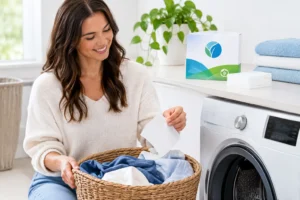
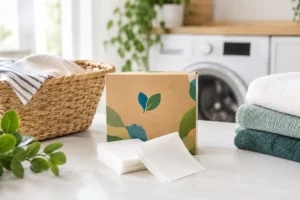
Concentrated cleaning products are becoming a common choice because they remove much of the water traditionally transported and stored in large bottles. In laundry, detergent sheets are a clear example. They are lightweight, compact and pre-measured, which can make them easier to keep in a small laundry, apartment cupboard or travel bag.
This trend is about more than appearance. A smaller format can reduce the need for bulky packaging and help households avoid the half-used bottles that gather under the sink. It can also make laundry easier to manage for people carrying washing to a shared laundry room or laundromat.
That said, concentrated formats are not automatically the right fit for every person. Households with very large loads or specific washing needs may prefer to trial a product first and adjust how much they use according to the load size and level of soiling. The practical goal is to use enough detergent for a proper wash without routinely using more than needed.
Plastic-conscious packaging has become a real consideration
Australians are looking more closely at the packaging that comes home with everyday essentials. Recyclable, refillable and plastic-free options are all part of the conversation, particularly for products purchased regularly.
Packaging is only one part of a product’s overall impact, so it is worth viewing claims with a sensible eye. A package may be recyclable only through particular local collection systems, and access can differ between councils and regions. The useful question is simple: what can you realistically do with this packaging where you live?
For laundry products, cardboard packs and compact formats can be easier to store and may create less bulky rubbish than rigid plastic bottles. Choosing packaging that suits your household’s disposal options is often more helpful than chasing labels that sound impressive but are difficult to act on.
Cold washing is becoming the default for everyday loads
One of the most practical sustainable cleaning trends is also one many households already know: washing suitable loads in cold water. Heating water generally uses more energy than a cold cycle, and modern detergents are often designed to work in cold washes.
Cold washing can suit everyday clothing, towels and lightly soiled items, provided the care labels allow it. Hot washes still have a place. Bedding, heavily soiled loads and garments requiring warmer temperatures should be washed according to their care instructions. Sustainable laundry is not about treating every load the same. It is about matching the cycle to what is actually in the machine.
A good starting point is to use cold water for regular loads, avoid washing clothes after a single light wear when they are still clean, and reserve higher temperatures for occasions where they are genuinely needed.
Accurate dosing is replacing the “more is better” habit
Using extra detergent can feel like a safer choice when clothes are dirty, but more product does not always deliver a better result. Overdosing may leave residue on fabrics, create excess suds and mean more rinsing is needed. It also makes a household product run out sooner.
Pre-measured formats can help remove some guesswork. For liquids and powders, following the directions for the load size, water hardness and soil level is a sensible approach. If a wash is especially muddy or heavily soiled, pre-treating the affected area or choosing an appropriate wash cycle may be more effective than simply pouring in extra detergent.
This is one reason convenient formats are attracting attention. They can support a more consistent routine, especially when several people share the washing.
A Shift Towards Fewer, Better Household Habits
Sustainability is increasingly less about filling a cupboard with specialised products and more about using a smaller number of suitable products well. This can mean choosing laundry products that work across cold and warm washes, keeping them where they are easy to reach, and buying a format that fits the space available.
For people in apartments and smaller homes, storage is not a minor issue. Large bottles can be awkward in compact laundries, while spilled liquids create unnecessary clean-up. A lightweight detergent sheet pack takes up little room and can be simple to handle for parents, older Australians and anyone managing laundry on the go.
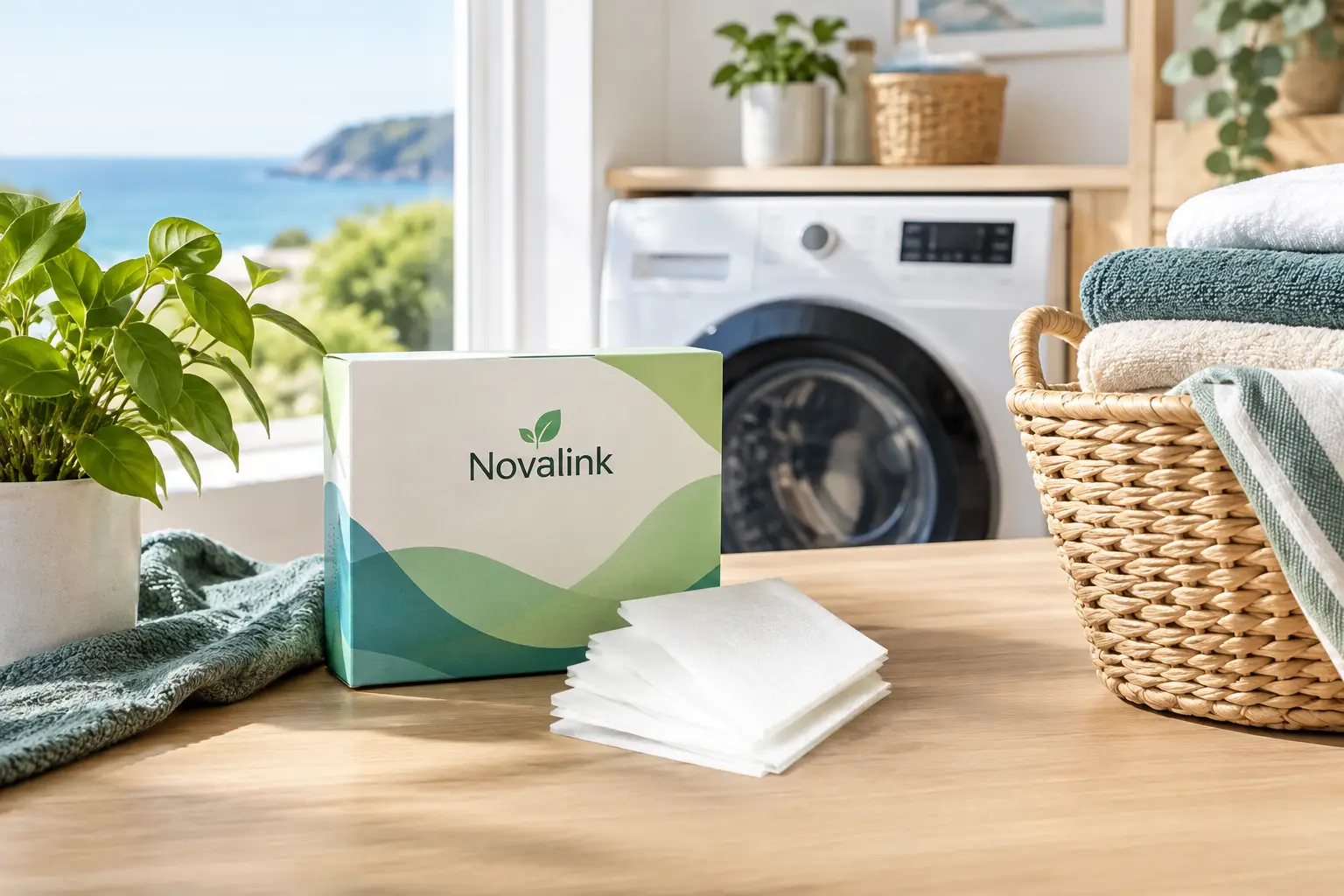
Novalink Trades offers plant-based laundry detergent sheets in plastic-free packaging, with options including Lavender, Ocean Breeze, Fresh Linen and Unscented. The sheets are designed to dissolve in hot and cold water and can be used in front- and top-loading machines. For households with sensitive skin, babies or children, an unscented option can also be a practical preference, though it is always wise to check product directions and individual needs.
What to Look for Before Changing Your Routine
A sustainable choice should still clean effectively and suit the way your household lives. Before swapping products, consider the size of your usual loads, the type of washing machine you use, how much storage you have and whether anyone in the home prefers fragrance-free products.
It also helps to think about frequency. A product used every week has a bigger role in your household routine than an occasional purchase. Reducing packaging, avoiding overdosing and running appropriate wash cycles can add up over time without requiring a major lifestyle overhaul.
Be cautious with broad environmental language. Terms such as biodegradable, compostable and recyclable can mean different things depending on the product, its packaging and local waste facilities. Clear instructions and realistic claims are more useful than promises that suggest a product has no environmental impact at all.
Washing full loads, not overloaded loads
Running a machine only when there is enough washing for a worthwhile load can reduce the number of cycles across the week. But cramming the drum too tightly can prevent water and detergent from moving through fabrics properly. Leave enough room for items to circulate, particularly with towels, sheets and bulky clothing.
For smaller loads, choose a suitable setting if your machine has one. This is a small adjustment, but it supports better washing results and avoids using a full cycle where it is not necessary.
Caring for clothes so they last longer
The most sustainable garment is often the one already in your wardrobe. Washing clothes according to care labels, separating colours when needed and avoiding unnecessarily harsh cycles can help fabrics keep their shape and colour for longer.
Air-drying when weather and space allow is another practical option. It will not suit every day, especially during wet winters or in homes without outdoor space, but even drying some loads on a line or rack can reduce reliance on the dryer. The aim is flexibility, not perfection.
Making Sustainable Cleaning Feel Manageable
The best household changes are usually the ones that remove friction. Keep laundry products in a consistent place, choose a format that is easy to carry and store, and make cold washing your usual setting for suitable loads. If you are trying something new, start with one regular load each week rather than changing every product in the house at once.
Sustainable cleaning does not need to look identical in every home. A family in Brisbane managing daily school uniforms will have different needs from a student in Melbourne using a shared laundry, or a traveller packing light for a weekend away. What matters is finding a routine that is effective, realistic and easier to maintain over time.
The most valuable trend is not a single product or label. It is the growing preference for thoughtful everyday choices: less clutter, less guesswork and a laundry routine that works well for your home.