A leaking detergent bottle in the cupboard, a slippery cap near the washing machine, or a bulky pack taking up half the laundry shelf can make a simple chore feel needlessly fiddly. So, are detergent sheets effective? For everyday washing, a well-made detergent sheet can clean reliably while making measuring, storing and carrying laundry detergent much easier.
The honest answer is that results depend on the wash itself. The amount of washing, how soiled it is, the water temperature and choosing the right sheet quantity all matter. Detergent sheets are not a magic fix for every stain, but they are a practical option for many Australian households looking to simplify the weekly wash.
Are detergent sheets effective in real-life laundry?
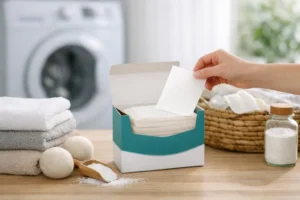
Detergent sheets work by dissolving in water and releasing cleaning agents through the wash. Rather than pouring liquid or scooping powder, you place a pre-measured sheet in the machine with your laundry. This removes much of the guesswork, especially when you are doing several loads a week.
For lightly to moderately soiled clothing, towels, bedding and everyday family loads, detergent sheets can be very effective when used as directed. They are particularly useful for routine washing: work clothes, school uniforms, activewear after a normal day, and the constant rotation of tees, socks and pyjamas that builds up in busy homes.
The key benefit is consistency. A sheet provides a set amount of detergent, so you are less likely to pour far more than your load needs. Using too much detergent can leave excess suds or residue, particularly in machines that use less water. With sheets, the process is simple: take a sheet, add it to the wash and get on with your day.
That said, very muddy sports gear, oil marks, dried-on food or heavily stained baby clothes may need extra attention before washing. Treating a stain promptly and following the care label on the garment gives any detergent a better chance of success. It is more realistic to see detergent sheets as an everyday cleaner, not a promise that every difficult mark will disappear in one cycle.
What affects how well laundry sheets work?
The size of the load
A small load does not need the same amount of detergent as a packed machine. For a standard everyday load, one sheet is often suitable, while larger or dirtier loads may need more according to the product directions. Overloading the drum is another common reason washing comes out less clean. Clothes need room to move through the water so detergent can circulate properly.
If you can barely fit a hand above the laundry in the drum, it is probably time to divide the load. This is not just better for cleaning – it can also help reduce creasing and allow a more thorough rinse.
The type of soil and stain
Fresh, everyday grime is different from a stubborn stain. Dust, sweat, general body oils and ordinary food splashes are part of normal laundry, and detergent sheets are designed to handle this regular washing. Heavier stains may require pre-treatment or a longer wash cycle, depending on the fabric and garment care instructions.
Avoid rubbing a stain aggressively, especially on delicate fabrics. Instead, deal with it before it sets, use a suitable pre-treatment method, then wash the item at the temperature recommended on its label. Heat can set some stains, so hotter is not always better.
Water temperature and machine type
Modern detergent sheets are designed to dissolve in hot and cold water, which makes them suitable for everyday energy-conscious washing as well as warmer cycles when a garment label calls for them. Cold washes can be a sensible choice for many regular loads, provided you select an appropriate cycle and do not overload the machine.
Sheets can also work in both front- and top-loading washing machines. Placement matters, though. Follow the directions on the pack, as the best position may vary by machine and product. In most cases, placing the sheet directly in the drum allows it to dissolve with the wash water rather than getting caught in a dispenser compartment.
Your wash routine
A detergent sheet will not compensate for a rushed laundry routine that mixes everything together. Separating whites, dark colours and delicate items where practical can help protect clothes and improve results. Washing similar fabrics together also helps you choose a cycle that suits the load.
For example, a load of everyday cotton clothing has different needs from towels, woollens or a delicate blouse. Taking a minute to select the right cycle often makes more difference than changing detergent formats.
Why sheets appeal to busy Australian households
Effectiveness is not only about what happens inside the drum. It is also about whether a product makes it easier to keep up with laundry in the first place.
Liquid detergent can be awkward to store, especially in apartments, rentals, student accommodation and smaller laundries. Powder can spill, clump or leave a dusty trail when the box is nearly empty. Pods are convenient but can take up more space than you expect. Detergent sheets are thin, lightweight and simple to store in a cupboard, on a shelf or in a laundry caddy.
They are also useful beyond the home. A few sheets take up very little room in a suitcase, making them a handy choice for holidays, caravan trips, work travel or visits to family. There is no heavy bottle to pack and no need to estimate a pour in an unfamiliar washing machine.
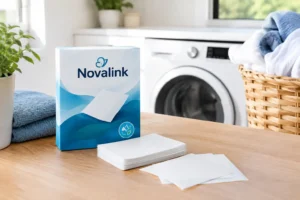
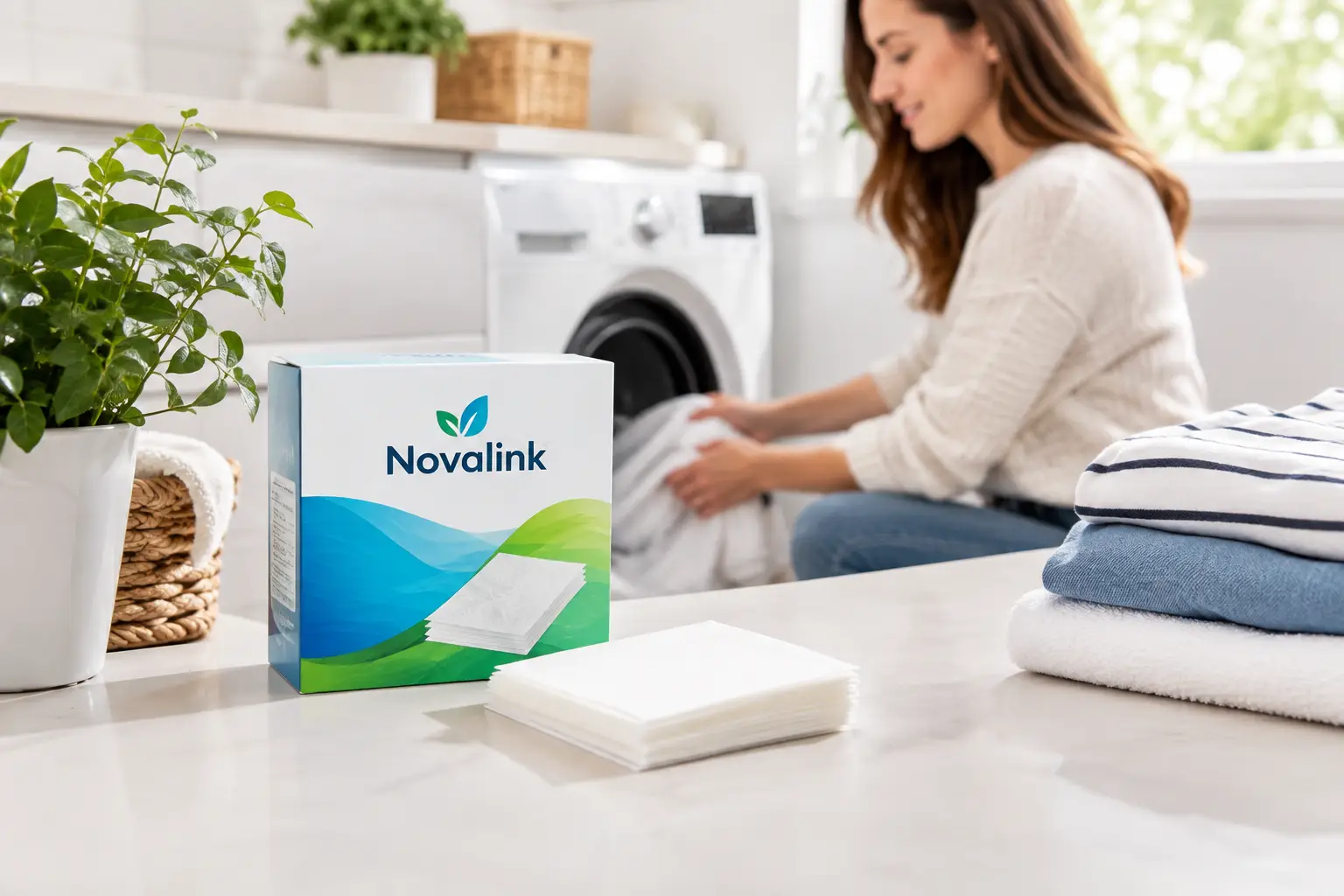
For households trying to reduce unnecessary plastic in their regular shop, packaging is worth considering too. Novalink detergent sheets come in plastic-free packaging, offering a practical alternative to large plastic detergent bottles. The sheets are biodegradable, while the compact format can make storage and handling easier from the first load to the last.
Choosing the right sheet for your household
The most effective detergent is one that fits your laundry habits and that you use correctly. Start by considering fragrance. Lavender, Ocean Breeze and Fresh Linen can give clothes a clean, familiar scent, while an Unscented option may be preferable for people who simply do not want added fragrance in their laundry routine.
If you are washing for babies, children or someone with sensitive skin, it is sensible to choose products carefully and follow the directions on the packaging. Fragrance preference is personal, and a patchy laundry result is not a reason to add more detergent automatically. Check the load size, machine setting and rinse performance first.
It also helps to be realistic about value. A sheet may cost differently from a bottle or box at the checkout, but the useful comparison is cost per wash and how much product is wasted. Pre-portioned sheets can make it easier to use only what you need, without over-pouring or dealing with drips down the side of a bottle.
Simple ways to get better results
To give detergent sheets the best chance of working well, keep a few practical habits in mind:
- Do not cram the drum full. Leave enough space for water and detergent to move through the load.
- Use the recommended number of sheets for the load size and level of soil.
- Put the sheet where the product directions advise, usually directly in the drum.
- Treat heavy or set-in stains before washing rather than expecting a standard cycle to do all the work.
- Choose a cycle and water temperature that match the garment care labels.
These steps are small, but they address most of the reasons people feel dissatisfied with a wash. Often, the issue is not the detergent format. It is an overloaded machine, an unsuitable cycle, or a stain that needed attention before the clothes went in.
Are detergent sheets the right choice for you?
Detergent sheets are a strong fit for people who want a cleaner, less cluttered laundry routine. They can be especially convenient for families managing frequent loads, renters with limited storage, travellers, and anyone tired of lifting large bottles or wiping up detergent spills.
They may be less suitable if you prefer to adjust detergent amounts very precisely for every wash, or if most of your laundry involves heavily soiled workwear that needs regular targeted stain treatment. Even then, sheets can still be useful for everyday clothing loads alongside a thoughtful stain-care routine.
The best test is not whether a sheet can solve every laundry challenge. It is whether it handles your regular washing well, fits your machine, and makes the task easier to repeat week after week. When laundry feels straightforward, there is a better chance it gets done before the basket becomes a mountain.