A leaking detergent bottle in the cupboard, a heavy jug to carry home and a measuring cap that never seems quite clean are small frustrations, but they add up. Plant based formula laundry detergent sheets offer a straightforward alternative: pre-measured detergent in a slim, dry sheet that is easy to store, handle and pack.
For busy Australian households, the appeal is practical before anything else. A box takes up far less room than large bottles, there is no liquid to spill in the laundry, and the sheets can travel easily from a city apartment to a holiday unit, caravan or shared laundry.
What are plant based formula laundry detergent sheets?
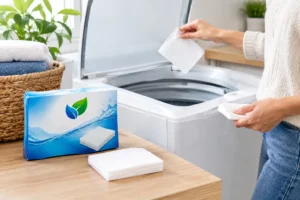
Laundry detergent sheets are thin, lightweight sheets of concentrated detergent. Rather than pouring liquid or scooping powder, you place the appropriate portion of a sheet into the washing machine drum, then add your clothes and start the cycle. The sheet dissolves during the wash, releasing detergent into the water.
A plant based formula generally means the cleaning formula uses plant-derived ingredients or components as part of its formulation, rather than relying solely on traditional petrochemical-based cleaning ingredients. It does not mean the product is chemical-free, because all cleaning products are made from chemical substances. What matters most at home is whether the product is suitable for your washing routine, dissolves reliably and leaves clothes feeling clean and fresh.
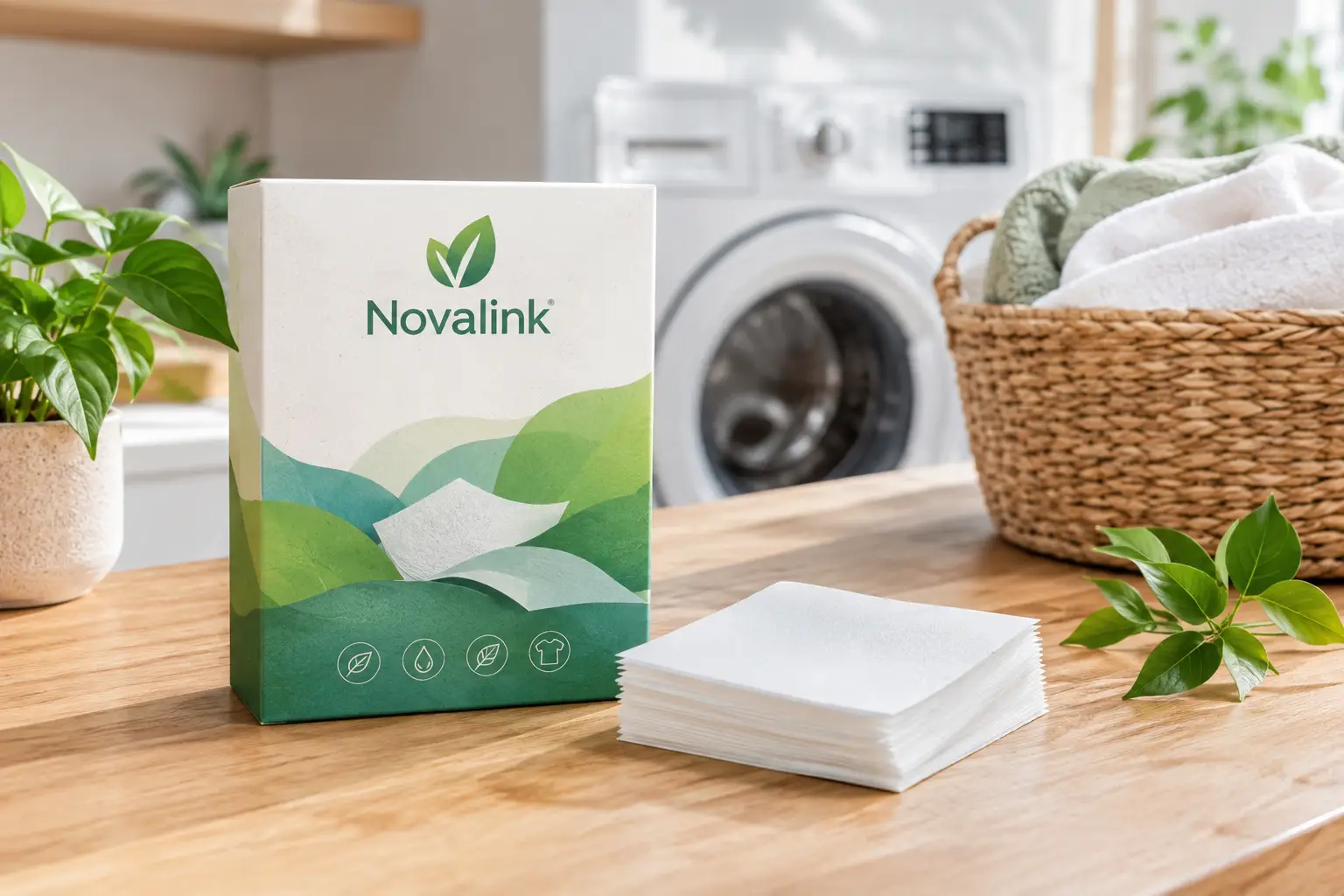
Novalink detergent sheets are designed to dissolve in hot and cold water and work in both front-loading and top-loading machines. They are available in Lavender, Ocean Breeze, Fresh Linen and Unscented options, so households can choose a fragrance that suits their preferences or keep things simple with an unscented wash.
Why the sheet format suits everyday laundry
The biggest benefit of detergent sheets is their simplicity. Each sheet is dry and lightweight, so there is no sticky bottle, powder dust or guessing how much liquid has gone into the machine. For people with limited storage, that can make the laundry area feel more organised without changing the rest of the routine.
The format also makes sense for renters, students and families using shared laundry facilities. Instead of carrying a bulky container downstairs or across to a laundromat, you can take only the number of sheets needed for the wash. They are easy to keep in a cupboard, suitcase or laundry caddy, provided they are stored somewhere cool and dry.
Packaging is another consideration. Traditional liquid detergent often comes in large plastic bottles, while detergent sheets can be packaged without plastic. Novalink’s packaging is plastic-free, helping households reduce the number of bulky detergent containers they bring home and dispose of over time.
That said, sheets are not automatically the best choice for every single wash. Large, heavily soiled loads may need a fuller dose, and stubborn marks usually respond better when treated before washing. A convenient format does not replace sensible laundry habits, especially with mud, grease, food stains or heavily soiled workwear.
How to use detergent sheets effectively
Using a detergent sheet is simple, but a few small choices help achieve a more consistent result. Check the pack directions first, as the right amount can vary according to load size and soil level. For a smaller or lightly soiled wash, a portion of a sheet may be enough. A full sheet or more may be appropriate for larger loads, depending on the product guidance.
Place the sheet directly in the empty drum before adding clothes. This gives it room to contact water as the cycle begins. Then add your laundry without packing the drum too tightly. Overfilling any washing machine can limit water circulation, making it harder for detergent to move through the load and rinse away properly.
Choose the temperature and cycle based on the care labels of your clothes, not simply the detergent. Detergent sheets that dissolve in cold water are useful for regular cool washes, while hot washes still have a place for items that are labelled as suitable for them. Separating lights, darks, towels and delicate items also remains worthwhile, regardless of the detergent format.
For a noticeable stain, deal with it early where possible. Blot fresh spills, follow the garment care label and use an appropriate pre-treatment method before the wash. No general laundry detergent should be expected to remove every stain in one cycle, particularly if it has dried or set into the fabric.
Choosing the right scent and dose for your home
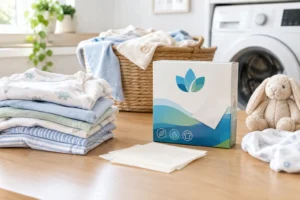
Fragrance is personal. Lavender can feel calm and familiar, Ocean Breeze offers a crisp option, and Fresh Linen suits people who enjoy a classic just-washed scent. An Unscented option can be a sensible choice for households that prefer no added fragrance in their laundry, including families washing baby clothes or people who find scented products distracting.
It is worth remembering that more detergent is not always better. Using more than the recommended amount can leave extra detergent to rinse through, especially if the machine is overloaded or a short cycle is selected. Start with the pack guidance, then adjust only when your laundry habits genuinely call for it.
Water conditions, machine size and the type of washing all affect what works best. A household washing lightly worn office clothes will have different needs from one regularly washing school uniforms, sports gear, towels or work clothes. The useful part of sheets is that adjusting the dose is clean and straightforward, without having to pour from a heavy container.
A practical option for travel and small spaces
Laundry does not stop when you leave home. Whether you are packing for a camping trip, staying in a serviced apartment or visiting family, detergent sheets are easier to carry than a bottle that could leak in the boot or suitcase. Take only what you expect to use and keep the remaining sheets dry.
They are also well suited to compact homes. In an apartment, unit or smaller house, every shelf in the laundry cupboard matters. A slim detergent pack is easier to store alongside cleaning essentials, towels and spare linen than several large bottles.
For households trying to make lower-waste choices, the sheet format can be one practical switch rather than a complete lifestyle overhaul. Plastic-free packaging and a biodegradable product format may appeal to people who want to reduce unnecessary packaging, while still prioritising an effective, convenient wash. It is sensible to consider the full product information and dispose of packaging according to local council guidance.
Getting the most from your laundry routine
Detergent sheets work best as part of a simple, consistent routine. Keep the pack sealed and dry, use the amount recommended for the load, avoid overfilling the machine and deal with stains promptly. These habits support better washing results without adding extra fuss to an already busy week.
A plant-based sheet format will not change the fact that laundry takes time, but it can remove a few of the awkward parts. When detergent is easy to store, easy to measure and easy to take with you, the weekly wash becomes one less thing to manage.